
Pet insurance • Read the contract journey

Insurance for your pet, in usable terms

Know which document answers the next question, from the quote you accept to the explanation of a paid or denied claim.

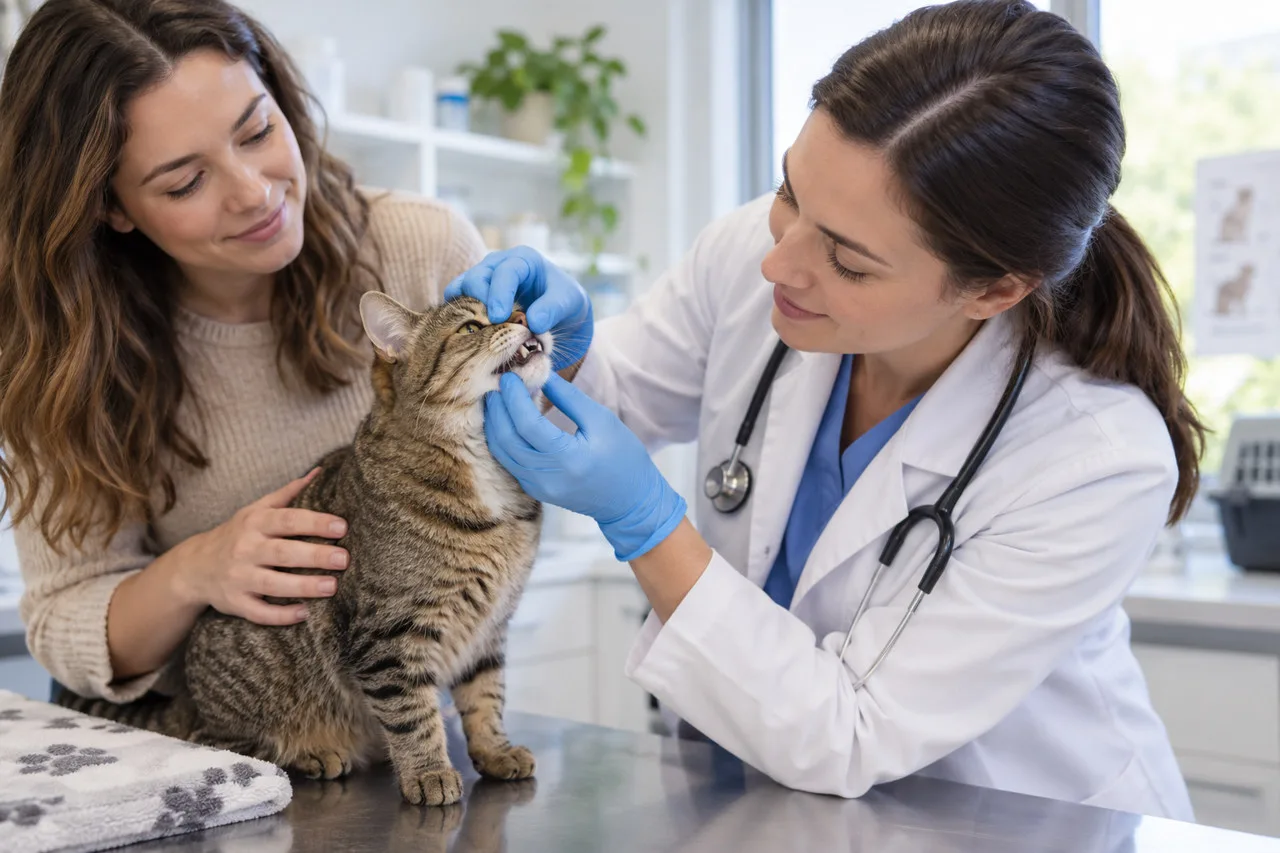
Veterinarian examining a cat held gently by its owner
✓ Policy-first ✓ Independent ✓ Useful checks
Direct answer
Insurance for your pet is a contract that pays specified eligible veterinary expenses under its terms. The useful question is what the purchased policy will do for this animal: which events qualify, which costs remain yours and how payment happens. A quote, an active policy and an approved claim are three different stages.
What to know

Follow the documents rather than the sales label

Document or stage What it can establish What it cannot establish alone
Quote Proposed price and selected configuration for the supplied profile That the policy has started or a particular claim will qualify
Issued policy and declarations The actual contract, named pet, dates, choices and applicable endorsements That every veterinary expense is eligible
Claim explanation How the insurer applied the terms to the submitted expense A new promise to pay unrelated future treatment

Keep the quote you intended to buy and compare it with the issued documents. If the pet identity, address or chosen benefits are wrong, ask for correction through the insurer. Do not assume a screenshot of a marketing page overrides the issued policy.

An account card or welcome message is useful for finding the policy number. It is not a substitute for the exclusions, cost-sharing rules and benefit schedules.

Decision guide

Choose the contract’s job

An accident-only arrangement has a narrower job than accident-and-illness protection. A wellness package can help with specified routine services but should not be mistaken for broad medical insurance. Ask what kind of product each price buys before comparing amounts.

Then name the expense you want help with in ordinary language: an unexpected injury, a new illness or scheduled routine care. If more than one matters, mark each separately and find the corresponding benefit or absence of one. “Comprehensive” is too vague to do that work.

Species is an early filter. For a different kind of pet, first find a provider that actually insures that species rather than trying to make a dog-and-cat offer fit.

Claims

Rehearse one claim before you need it

Ask the provider to walk through a fictional invoice using your chosen configuration. Start with the eligibility of the condition, then identify eligible services, the reimbursement basis, deductible, percentage and any limit. Ask what you would pay and when you would receive any approved reimbursement.

Do not assume the deductible is an annual maximum on your spending. Excluded care, your percentage share and expenses beyond a limit can remain yours. A benefit schedule can also produce a different payment from a percentage of the actual invoice.

Keep the explanation with the policy. You do not need to predict your pet’s next illness to test whether you understand the contract. A simple hypothetical should reveal the calculation steps and the documents required, without being presented as a claim guarantee.

What to know

Check the dates before assuming protection is usable

Locate the effective date and any waiting periods, including separate timing for a particular condition category or added benefit. Paying today does not necessarily make every event eligible today. An earlier symptom can matter even if a diagnosis is made later.

If shopping because the pet is already unwell, arrange veterinary care and disclose the history accurately. Do not delay assessment to make the timeline appear more favorable. Ask the insurer what the existing concern means for the offer, and evaluate unrelated future protection separately.

If replacing an existing policy, compare the new history assessment and timing before cancellation. Starting over is a contract decision, not just a change of billing account.

Pet profile

Make the policy usable by the person taking the pet to care

Decide where the policy number, insurer contact route and required claim instructions will be kept. If someone else may take the pet to a clinic, ask what the insurer permits that person to do and what authorization the clinic needs. Do not share passwords as a shortcut.

Keep the animal’s records and the policyholder’s details accurate. A change of caregiver, owner or address may need the insurer’s involvement; it should not be treated as a simple edit to a private spreadsheet. Ask before assuming the contract transfers.

You are ready to use the insurance when you can find the terms, identify the money needed at the visit and explain the next step after an invoice arrives. That is a more useful milestone than remembering the brand name.

Evidence

Sources and policy context

These public references support the consumer or veterinary context. Named insurer details were checked in official product materials; the policy offered for your pet and state determines the actual terms.

Next step

Compare Current Pet Insurance Rates

Check current options for your pet and location, then compare the policy details, exclusions, costs, and eligibility before choosing.

Compare the policy before you choose Check the actual offer, exclusions and out-of-pocket terms.
See Rate Options